• Skip to primary navigation
  • Skip to main content
  • Skip to primary sidebar

Cells for Cells

Recycle Cell Phones to Help Families Battling Cancer

  • About Cells for Cells
  • I want to Recycle with Cells for Cells…
  • 501c3 Status…
  • Is it SAFE to recycle

Recycling Resources

Why You Should Recycle TODAY

November 13, 2023 by admin

In the ever-evolving world of technology, the value of used cell phones is on a constant decline. If your company participates in a cause through cell phone recycling, the urgency of timely recycling cannot be overstated. Let’s explore the dynamics of this market and why you should recycle TODAY.

The Rapid Depreciation
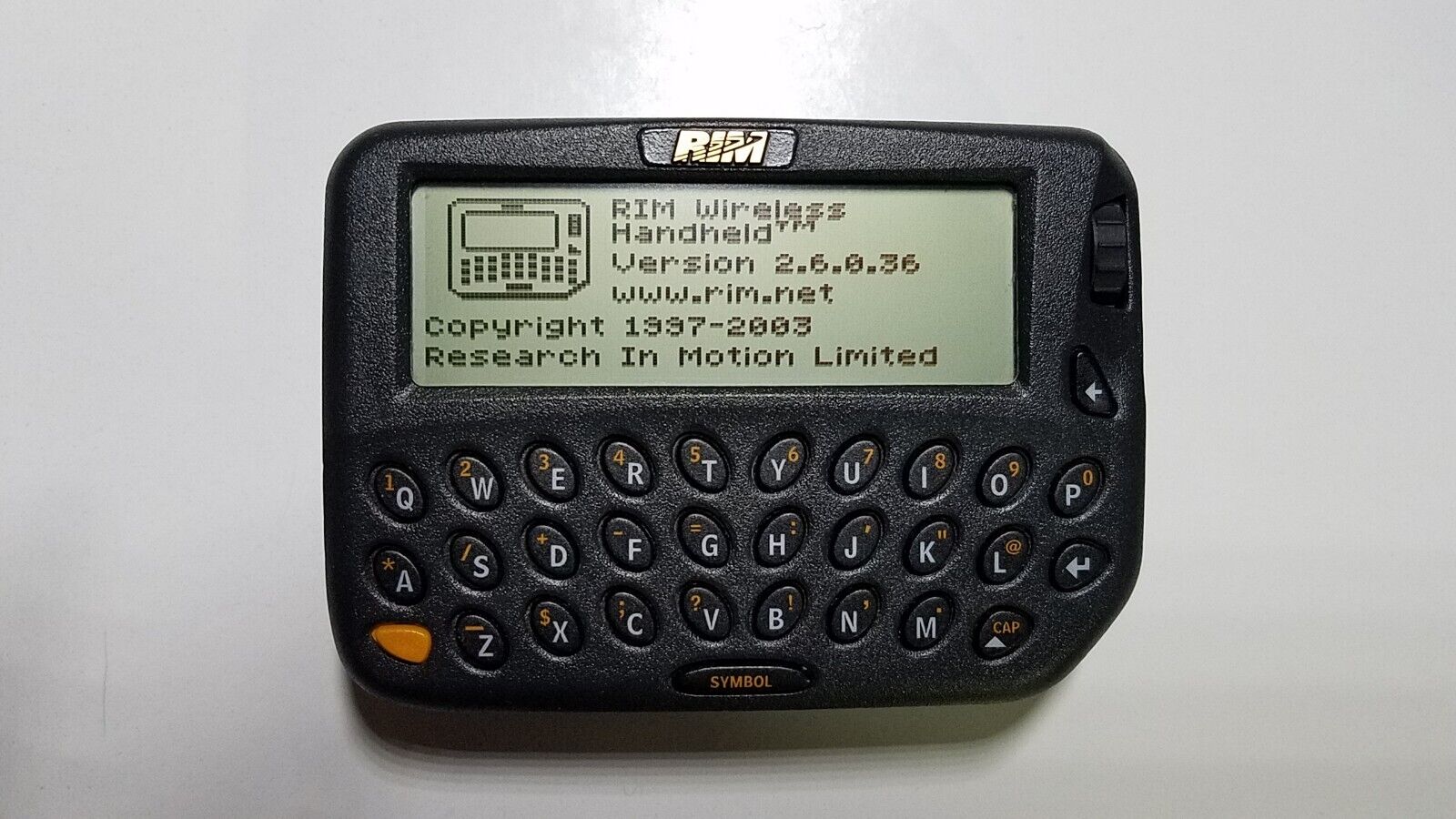
This is the second Blackberry, the RIM Blackberry Inter@ctive Pager 950, released on August 26, 1998

Since the inception of Cells for Cells in 2007, we’ve witnessed a staggering occurrence – the value of certain cell phone models plummeting by more than 90% in less than 30 days. This nosedive typically follows a major carrier discontinuing support for specific models, leaving millions of Americans grappling with diminished device value.

It is estimated that over 5 BILLION cell phones were thrown away in 2022.

Refurbished Phones: A Second Life
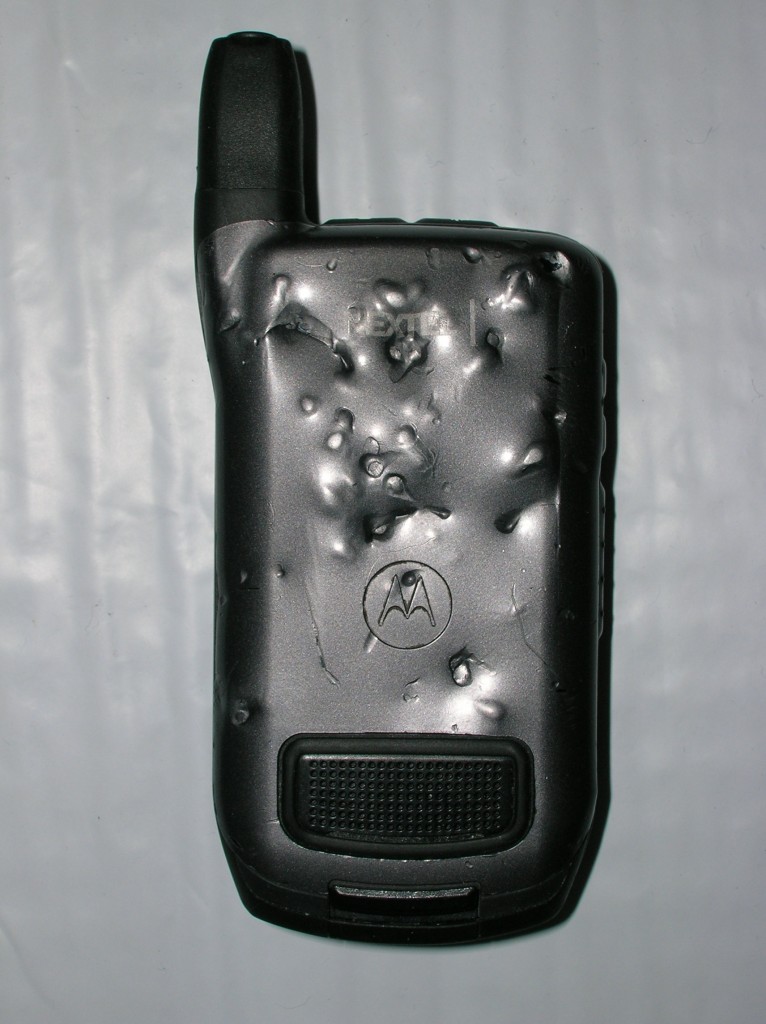
For those with cell phone insurance, a common scenario involves receiving a refurbished cell phone after an unfortunate incident like a drop or a dog encounter. (Yes, you can recycle your phone after your dog chews on it.) These refurbished phones often find their origin in recycling programs, such as Cells for Cells. The process involves collecting, wiping memory, repairing, repainting, and reintroducing the device into the market. It’s an environmentally conscious model similar to the lifecycle of used cars.

The Onslaught of New Models

Today’s cell phone market is flooded new devices every few months. With each new introduction, the value of existing models diminishes, creating a cascade effect in the recycling world. As recyclers receive less, they, in turn, contribute less to charitable causes, presenting a challenge for those supporting meaningful causes – like helping families battling cancer!

Taking Action

1. Timely Recycling: The key to combating diminishing values lies in prompt recycling. Whether you support Cells for Cells or another cause, swift recycling ensures the maximum benefit for your charity.

2. Spread Awareness: Educate your co-workers about the importance of timely cell phone recycling. Empower others to contribute to the cause and make a bigger, collective impact.

3. Choose a Responsible Recycler: Opt for recycling programs committed to ethical and sustainable practices. Ensure that your efforts align with environmentally conscious initiatives.

Do More Than Just Recycle

As the landscape of cell phone recycling evolves, your proactive engagement can make a substantial difference. Act today, recycle responsibly, and amplify the impact of your charitable endeavors. Together, we can help even more families battling cancer.

Additional Resources

  • 8 Tips for Making Mobile Phone Recycling Easier
  • Recycling Used Cell Phones: Yes, Even If Your Dog Chewed On It
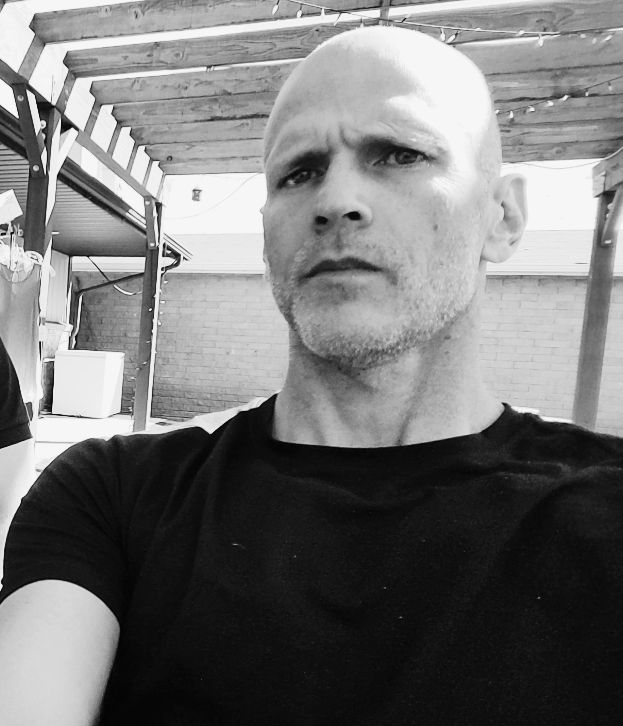
Jason Clements is the founder of and writer for Cells for Cells.  Jason has raised tens of thousands of dollars for Cancer Charities through his recycling program and has helped dozens of families in their battle against cancer.

He lives in Kansas and is an amateur artist.

You can follow Jason on X (Twitter) @jasonclements Instagram @theartandtimesofjason or YouTube @jasonclements

Filed Under: Moblie Phone Tips, Tricks & News, Recycling Resources Tagged With: cell phone recycling, Cells for Cells, Recycle

Boulevard Brewing Sustainability: An In-Depth Interview with Michael Utz

October 30, 2023 by admin

Boulevard Brewing Sustainability

In the realm of craft beer, Boulevard Brewing Company is renowned for its exceptional brews. But what you might not know is that they are equally passionate about sustainability and environmental responsibility. In this interview with Michael Utz, the Director of Engineering at Boulevard Brewing Company, we delve into their remarkable sustainability practices.

Question 1: What can anyone do right now to be a better recycler?

Michael: To be a better recycler, start by learning what your hauler or processor accepts in the regular stream. Seek outlets for other waste materials to improve diversion. Keep recyclables as clean as possible to reduce contaminants during processing. And always remember to educate a friend or family member about recycling.

Question 2: The use of terms like “tree hugger” seems to be on the decline. Why do you think that change has happened?

Michael: I don’t believe the change has happened entirely, but there’s a shift towards more positive environmental awareness. Environmental issues have gained media attention, encouraging people to recognize the importance of caring for our planet.

Question 3: What is the worst name you’ve been called while working at Boulevard?

Michael: Probably that same “tree hugger” you mentioned earlier.

Question 4: Can you describe what happens to a gallon of water when it enters Boulevard’s facility?

Michael: The water at Boulevard comes from the Missouri River and the Kansas City Municipal Water system. It undergoes various filtration and treatment processes depending on its intended use in the brewery. Most of it eventually leaves as beer, with the rest used for cleaning before being discharged into our sewer system.

Question 5: Boulevard reduced water usage by 12% in 2011. What were the water usage figures for 2012 and the first half of 2013?

Michael: In 2012, we surpassed our goal by achieving a 12% reduction compared to 2011. During the first half of 2013, we are trending toward a 10% reduction compared to 2012.

Question 6: What happens to the grain, and does all the spent grain go to feed local cattle?

Michael: Most of our spent brewers’ grains, rich in nutrition, are primarily used as cattle feed in the U.S. They can also serve as fillers in other animal feeds or even in food products for human consumption.

Happy Cow

Question 7: Can cows get drunk from eating the spent grain?

Michael: No, spent grains do not contain alcohol as they haven’t undergone fermentation, so the cows that consume them do not get drunk.

Question 8: Boulevard doesn’t have a trash dumpster. Do your employees pack out any trash they create?

Michael: Initially, employees were responsible for any waste they generated, promoting the “zero landfill” initiative. This encouraged people to adjust their behaviors and eliminate trash. While we appreciate the Leave No Trace concept, it’s essential to provide proper recycling options.

Question 9: Do you think that Boulevard’s strong commitment to sustainability influences your employees to be better recyclers at home? And do you think you influence the public to be better recyclers?

Michael: We’ve positively influenced our employees by educating them on recycling behaviors. Through tours and events, we also set an example for the public, striving to raise awareness of recycling and sustainability.

Question 10: Boulevard played a crucial role in the success of glass recycling at Ripple Glass. Is this common practice among breweries?

Michael: Our strong commitment to glass packaging led to the formation of Ripple Glass. While not a common practice among all breweries, our experience shows the remarkable results such initiatives can achieve.

Question 11: What excites you most about the future of sustainability at Boulevard?

Michael: Sustainability at Boulevard extends beyond recycling; it’s about resource efficiency. The more efficiently we use resources like electricity, water, and materials, the more sustainable we become. This continuous process of improvement is our path to a more sustainable future.

Question 12: Are there other local businesses that excel in sustainability?

Michael: Hallmark has displayed great leadership and support for our program. Their commitment to sustainability aligns with our goals.

Question 13: What is the biggest “I’m glad we don’t do that anymore” moment for you at Boulevard?

Michael: That would be “making trash.” It’s fulfilling to know that our company is making a significant positive impact on our community.

Question 14: What’s your favorite outdoor activity?

Michael: Camping with my family.

Question 15: Which Boulevard beer are you currently enjoying the most?

Michael: That’s a tough question, but if I had to choose, Pale Ale is my go-to beer on most occasions. And I’ll never turn down one of our Smokestack offerings!

Boulevard On Tap

Question 16: How can the public connect with Boulevard?

Michael: The best way to connect with us is to take a tour of our facilities, where you can see all the amazing things we’re doing and enjoy some delicious beer!


Jason Clements is the founder of and writer for Cells for Cells.  Jason has raised tens of thousands of dollars for Cancer Charities through his recycling program and has helped dozens of families in their battle against cancer.

He lives in Kansas and is an amateur artist.

You can follow Jason on X (Twitter) @jasonclements and Instagram @theartandtimesofjason

Filed Under: Kansas City, Recycling Resources Tagged With: Boulevard Brewing Company, cell phone recycling, Cells for Cells, Recycle

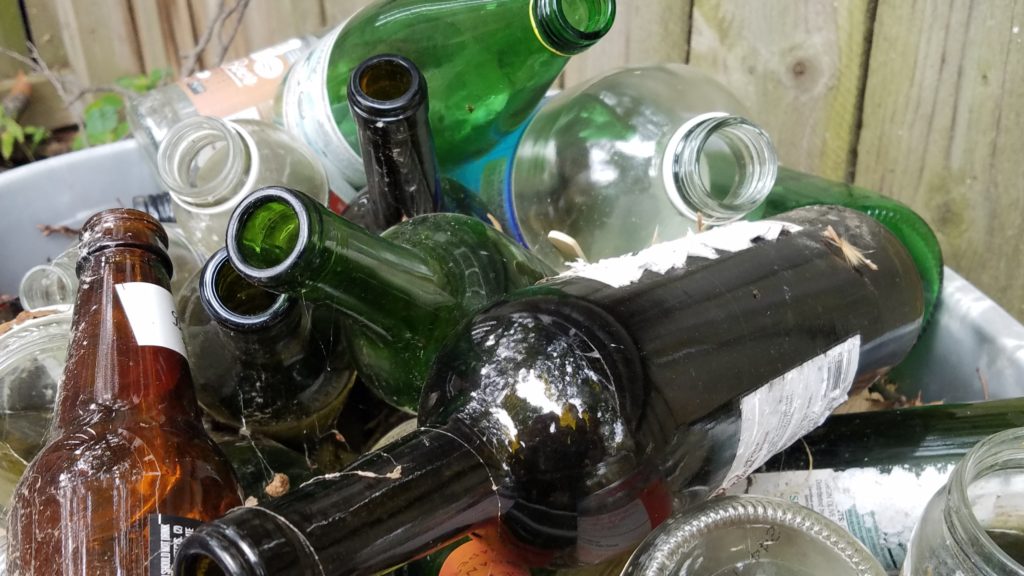
How Can I Be Better At Recycling My Glass

October 19, 2023 by admin

Important Updates, Tips, and Notes From Ripple Glass

Cells for Cells: When someone asks themselves ‘How can I be better at recycling my GLASS’ what are 4 easy things anyone can do right now in 2023 to be better at recycling?

Ripple Glass: 1. Keep your plastic bags and plastic wrap out of your recycling bin. These items can only be recycled at the drop-off containers at your grocery stores, or you can put them in your trashcan.

2. Rinse or wipe out your recyclables, especially your plastics. The markets for plastic are very depressed right now, so the items need to be perfectly clean.

3. Purchase items that are easily recycled, and recycled locally. Glass and aluminum are great choices.

4. When you have an odd item, and you’re not sure if you can recycle it, check recyclespot.org for good local options! [Jason’s note: When your office needs to recycle old or broken cell phones request free shipping labels from Cells for Cells .

Cells for Cells: What is this partnership with End of Waste Foundation?

[Read more…] about How Can I Be Better At Recycling My Glass

Filed Under: Kansas City, News & Events, Recycling Resources Tagged With: "Ripple Glass", cell phone recycling, Cells for Cells, Recycle Glass, recycling

Cells for Cells Talks to Dino DeMarco about Extreme Recycling

August 14, 2019 by admin

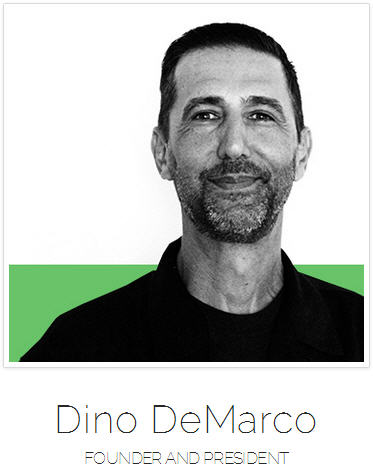
Dino DeMarco is the founder and President of Extreme Recycling in California. Visit www.extremerecyclinginc.com for more info.


Cells for Cells: What are 3 easy things that anyone can do right now to be better at recycling?

Dino: Try and reduce your footprint by limiting the amount of unnecessary waste – if at all possible.

Sort your recyclables (ewaste, plastic, paper, aluminum, etc.)

Just remember, you don’t have to be perfect to be effective!! If everyone does a little no one has to do a lot.

Cells for Cells: What is new at Extreme Recycling?

Dino: A lot of things are new at Extreme Recycling:

We have shut down our Midwest facility as it was not cost effective and we were not able to bring in the amount of materials to sustain a facility in the Midwest.

Extreme is more focused on the constant change in the industry, the volume has become larger but the size of devices have become smaller which presents a huge difference in the ways that are needed to final-process end of life equipment.

We have become more involved in the ITAD (IT Asset Disposition) aspect of the industry. We are seeing a larger volume of devices and equipment come thru which still have a longer lifespan then we did in previous years. This allows us to test, repair, and refurbish equipment that can still be sold and used in the work and home environment.

Extreme is also very focused on the data destruction side of the business as everything moves from brick and mortar sales to online platforms. There are a lot more opportunities for cybercrime than ever before . We are focusing a lot of time, energy, and money on how we can provide our clients with the most safe and secure way to protect themselves and the public when it comes to data breaches and final data destruction.

Cells for Cells: What do you think is easier for big and small companies to recycle in 2019?

Dino: Computers and CRT monitors are almost gone so the flat screens are easier to sell and ship. Laptops, tablets, small network devices.

Cells for Cells: What do you think is more difficult for big and small companies to recycle in 2019 (Zombies!!!)?

[Read more…] about Cells for Cells Talks to Dino DeMarco about Extreme Recycling

Filed Under: Recycling Resources Tagged With: Cells for Cells, Dino DeMarco, Extreme Recycling, Jason Clements

No Data Breaches Via Cell Phone in 2019

July 2, 2019 by admin

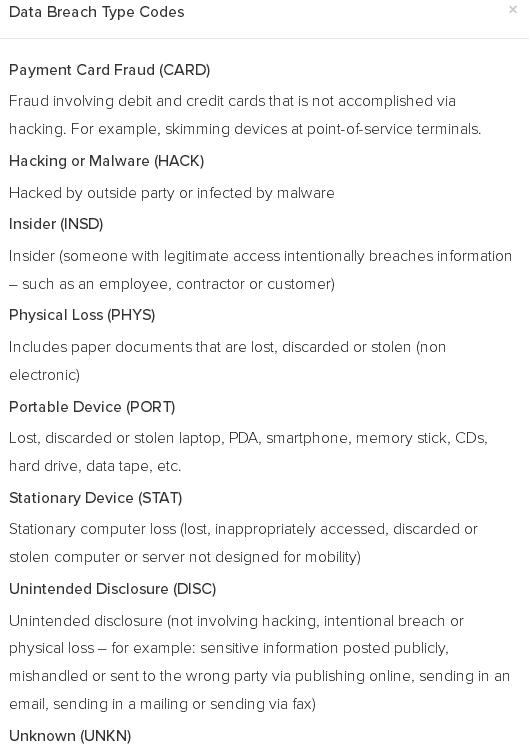
Below is the latest 2019 Data from Privacy Right Clearing House

Notice that no breaches have occurred via Cell Phone. Nor did any breaches occur via Cell Phone in 2018

Let your IT Security Staff know that you are safe to recycle your old cell phones and iPhones with Cells for Cells. We are very good at what we do. Please look at some of the gigantic companies that we have recycled for in the past.

I want you to notice that all of the data losses reported this year are via Unintended Disclosure (DISC), Hacking, or Physical Paper losses:

Unintended Disclosure (DISC)

Unintended disclosure (not involving hacking, intentional breach or physical loss – for example: sensitive information posted publicly, mishandled or sent to the wrong party via publishing online, sending in an email, sending in a mailing or sending via fax).

Filed Under: Recycling Resources

Making Recycling Convenient With The Solecan

August 15, 2013 by jclements

The SolecanThe Solecan

When is comes to innovations in recycling, people talk a lot about making it easier.  If you make recycling easier then more and more people will do it. 

Liz and Jeff Helfrich are making recycling easier with the Solecan.  The Solecan is a unique single can trash/recycling solution.  It has two separate sides–one for regular waste, one for recycling–that easily snap together to help you recycle.  

You can see the Solecan in action in the video at the end of this interview.  Or, if you want to see it now, scroll down and click play.

1.  What are 4 things that anyone can do right now to be a better recycler?

Jeff:  Convenience. Convenience.  Convenience.  Convenience. People only recycle if it is convenient.  If you want to improve recycling rates at home or in the office, then make it more convenient to recycle. Many studies have shown that the number one thing you can to do be a better recycler now is to make recycling more convenient for yourself.

2.  You are the inventor of the Solecan.  What is a Solecan?

Jeff: Actually, I am co-inventor of the Solecan with my wife, Liz.  The Solecan is a dual compartment receptacle with trash on one side and recycling on the other.  It snaps apart to make emptying the separate compartments a breeze.  It will be made from 100% recycled plastic.

Liz and Jeff Helfrich

3.  Why are you interested in sustainability? Continue Reading

Filed Under: Recycling Resources Tagged With: recycling, Solecan, sustainability

  • Page 1
  • Page 2
  • Go to Next Page »

Primary Sidebar

Read the Newest Stories Here

  • Cells for Cells Joins Shave to Save 2025 to Support Hope Lodge-KC!
  • Turning Your Recycled Phones into Life-Saving Support
  • How to Factory Reset Samsung Galaxy A14 5G
  • Factory Reset Samsung Galaxy S21 5G
  • Recycling Used Cell Phones: Yes, Even If Your Dog Chewed On It

Copyright © 2026 · Genesis Sample on Genesis Framework · WordPress · Log in